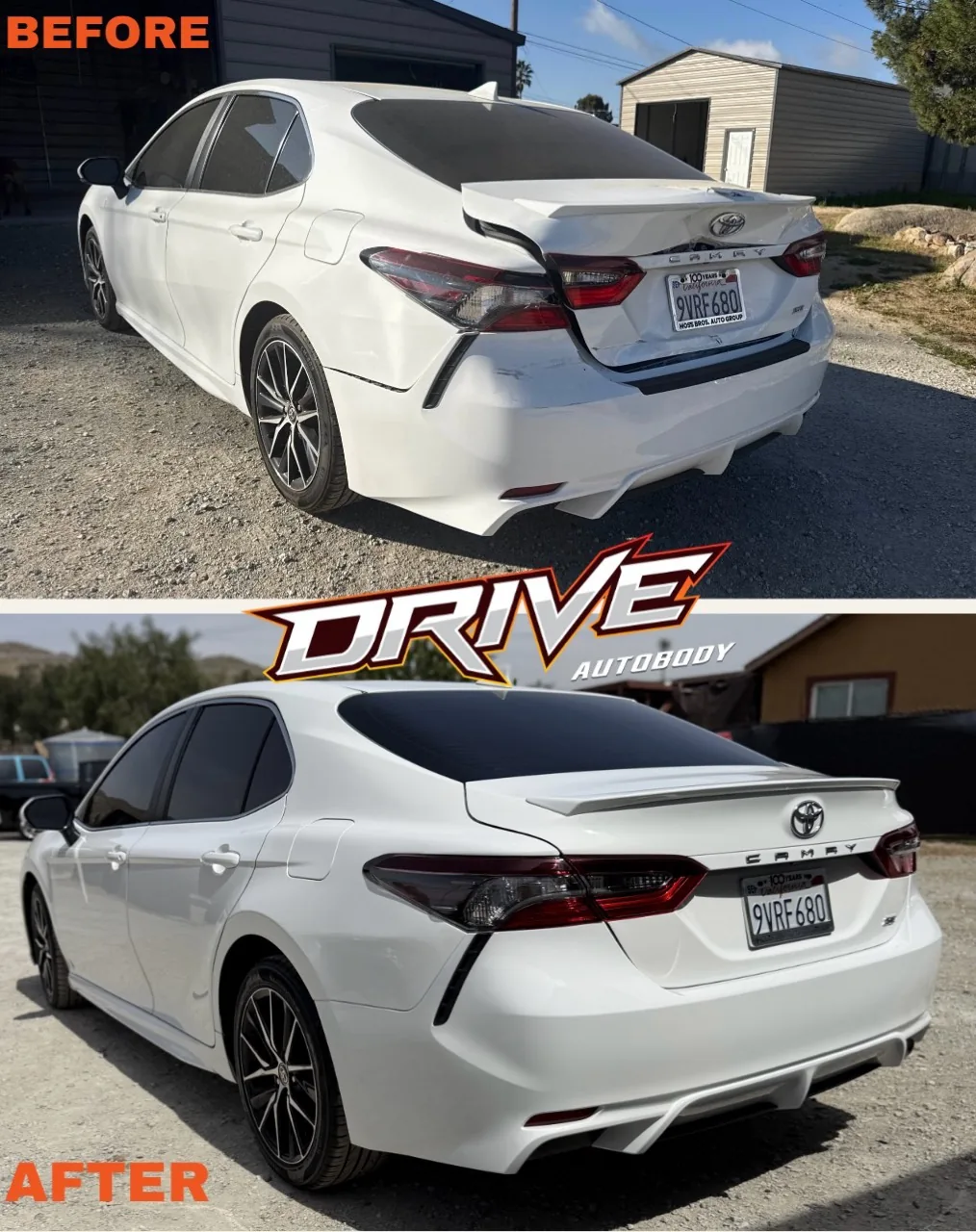
An auto insurance repair supplement is a documented request to revise an existing repair estimate when the shop finds damage, parts, prices, or required operations that were not included at first. It is not a second accident claim and it is not automatic approval. The carrier reviews coverage and payment; the customer authorizes the shop's revised work and any customer-responsible charge.
What Is an Auto Insurance Repair Supplement?
An initial estimate is a starting repair plan based on the information available at that time. It may come from an in-person inspection, customer photos, or a shop estimate. Some collision damage cannot be fully evaluated until trim, bumper covers, lamps, or damaged panels are removed with the customer's authorization.
When the repair plan needs to change, the shop can prepare a supplemental estimate. The supplement identifies the added or revised line items and supports them with the information the carrier requests, such as photos, measurements, invoices, part information, or repair documentation. The carrier then reviews whether the added work is covered and what amount it will pay.
The California Department of Insurance accident guide describes this basic sequence: an insurer prepares an initial estimate, and if further damage is found during repair, the shop contacts the insurer for approval and the insurer may reinspect the vehicle.
How the Supplement Process Works, Step by Step
- You open the claim. The customer reports the loss to the carrier and receives a claim number. Liability, coverage, deductible, rental, and total-loss decisions remain between the customer and carrier.
- An initial estimate is written. The estimate lists the damage and repair operations that can reasonably be identified from the first inspection or submitted photos. It is not always the final repair plan.
- You authorize inspection, teardown, or repair planning. If parts must be removed to see the affected area, the shop explains that step and any customer-responsible charge before proceeding.
- The shop documents a change. Hidden collision damage, a different repair-versus-replace decision, a missing operation, or updated part information may require a revised estimate.
- The carrier reviews the supplement. The adjuster may approve, modify, question, or deny requested line items. The carrier may also request more documentation or an in-person reinspection.
- The revised plan is explained and authorized. Insurance approval and customer authorization are separate. The carrier determines coverage and payment; the customer authorizes the shop to perform the revised work and accepts any disclosed non-covered amount.
- Repair continues and the final invoice is reconciled. Approved changes, customer-authorized work, parts, labor, and payments should be reflected in the repair records and final invoice.
Common Reasons a Body Shop Submits a Supplement
A supplement can be needed for ordinary repair-planning reasons. Common examples include:
- Hidden impact damage: reinforcement bars, absorbers, brackets, mounting points, inner panels, wiring, or other affected components that could not be evaluated from the exterior.
- Repair-versus-replace changes: disassembly or measurements show that a part needs a different repair approach than the initial estimate listed.
- Omitted operations: an operation required for the documented repair was not included in the first estimate.
- Parts information: the listed part is unavailable, the actual invoice differs from the estimating database, or the repair plan requires a different documented part choice.
- Collision-related electronics: damaged sensors, wiring, diagnostics, programming, or calibration may need to be evaluated when relevant to the loss and repair plan.
- Additional refinishing or materials: the documented repair area or required operations change after the vehicle is inspected more closely.
Does a Supplement Mean Someone Made a Mistake?
Not necessarily. A preliminary photo estimate cannot show what is behind every panel. Even an in-person visual estimate may change after authorized disassembly. A well-supported supplement is the normal way to reconcile the first estimate with the repair information discovered later.
A supplement also does not prove that every requested line item is covered. The shop documents the repair need; the carrier applies the policy and claim decision. If the carrier does not agree with an item, ask for the decision and reason in writing so the shop and customer can understand what remains unresolved.
Who Approves What?
Three decisions are easy to mix together:
- The carrier decides coverage and payment. It reviews whether the policy covers the added damage or operation and what amount it will approve.
- The customer authorizes the shop's work. California repair rules require customer authorization for repair work and additional authorization when the work order changes.
- The shop is responsible for its repair plan and records. It documents what it finds, explains the proposed work, and records revised authorization and charges.
The California Bureau of Automotive Repair's Write It Right guide explains the state's estimate, teardown, revised-work-order, and additional-authorization requirements. The carrier's supplement approval does not replace the customer's authorization to the shop.
Will a Supplement Slow Down the Repair?
It can, but there is no honest one-size-fits-all number. Timing can depend on how quickly the added damage is documented, whether the carrier requests a reinspection, when the adjuster responds, when the customer authorizes the revision, whether parts are available, and where the vehicle is in the repair sequence.
A useful update should identify the current blocker instead of promising a fixed completion date too early. Ask whether the shop is waiting on documentation, carrier review, customer authorization, a part, or the next repair operation.
Deductibles and Non-Covered Charges
A supplement does not automatically change the deductible. The deductible comes from the policy and claim. It also does not automatically make the customer responsible for every disputed item. Before additional work proceeds, ask the shop to separate the carrier-approved amount, deductible, prior payments, and any proposed customer-authorized non-covered charge.
Our Inland Empire collision repair cost guide explains other estimate variables, including parts, labor operations, refinishing, calibrations, rental, towing, storage, and betterment. Those costs and coverages vary by vehicle, repair, policy, and carrier decision.
Your California Repair and Shop-Choice Rights
- You choose the repair shop. California Insurance Code section 758.5 generally prevents an insurer from requiring a specific shop. A carrier may recommend a shop under the conditions in the law.
- You receive written repair information. California's auto-repair rules address written estimates, invoices, teardown, and additional authorization when the work changes.
- You can get an independent estimate. The California Auto Body Repair Consumer Bill of Rights states that consumers may obtain an independent repair estimate even when pursuing an insurance claim.
- You should be told about customer-responsible charges. Ask for the revised work and price to be explained before authorizing additional work.
For the shop-choice rules in plain language, read our focused guide to choosing your own body shop in California. This article is general consumer information, not legal advice or a promise of coverage.
What Drive Auto Body Does During a Supplement
You open the initial claim. After you authorize the relevant inspection or repair, Drive Auto Body can document repair-related findings, communicate with the adjuster, submit revised repair information for carrier review, explain the updated plan, and reconcile direct billing when applicable. The carrier remains responsible for coverage and claim decisions.
Before additional work proceeds, we explain the revised repair plan and any deductible or authorized non-covered charge we know about. If your vehicle has not been inspected yet, you can start with photos, but a photo review is preliminary and may not reveal damage behind exterior parts.
Questions to Ask About a Supplement
- What changed from the initial estimate, and why?
- What photos, measurements, invoices, or repair information support the change?
- Has the carrier approved, modified, denied, or not yet reviewed each added item?
- Is a reinspection required?
- What amount is the deductible, and is any other amount my responsibility?
- What work am I authorizing now?
- Is the repair currently waiting on approval, authorization, parts, or another operation?
Repair Supplement FAQs
What is an auto insurance repair supplement?
An auto insurance repair supplement is a documented request to revise the repair estimate when damage, parts, prices, or required operations were not included in the initial estimate. It is sent to the carrier for review; it is not automatic approval or a second accident claim.
Is a supplement a second insurance claim?
No. A repair supplement normally updates the estimate within the existing claim. The claim number stays the same unless the carrier determines that a separate loss or unrelated damage must be handled differently.
Does a supplement mean my car is a total loss?
No. A supplement only means the documented repair plan or cost changed. The carrier may separately evaluate whether the vehicle is repairable or a total loss using the policy, vehicle value, damage, and applicable rules.
Who authorizes additional repair work?
The carrier decides what the policy covers and what amount it will approve. The customer authorizes the shop to perform revised work and must be told about any customer-responsible charge before that additional work proceeds.
Can an insurer require a preferred body shop?
California Insurance Code section 758.5 generally prevents an insurer from requiring a specific repair shop. An insurer may recommend a shop under the conditions in the law, while coverage and payment remain subject to the policy and claim decision.
Will a supplement delay the repair?
It can. Timing depends on how quickly the added damage is documented, whether the carrier requests a reinspection, when approval and customer authorization arrive, parts availability, and the repair sequence. There is no one reliable supplement timeline for every claim.
What happens if added damage is not covered?
The shop should explain the revised repair plan and any customer-responsible amount before additional work proceeds. The customer can ask the carrier for its coverage explanation and decide whether to authorize non-covered work.
Official California Sources
- California Department of Insurance: So You've Had an Accident, What's Next?
- California Auto Body Repair Consumer Bill of Rights
- California Bureau of Automotive Repair: Write It Right
- California Insurance Code section 758.5
Start Your Insurance Repair — Send Photos Now
Send your vehicle details, claim status, and a few photos of the damage. We'll review the next step and prepare your written estimate.
Need Help with Your Claim?
You open the claim. After that we handle the repair side: the write-up, the adjuster, supplements, and direct billing once the work is authorized.
Get Your Free Estimate arrow_forward