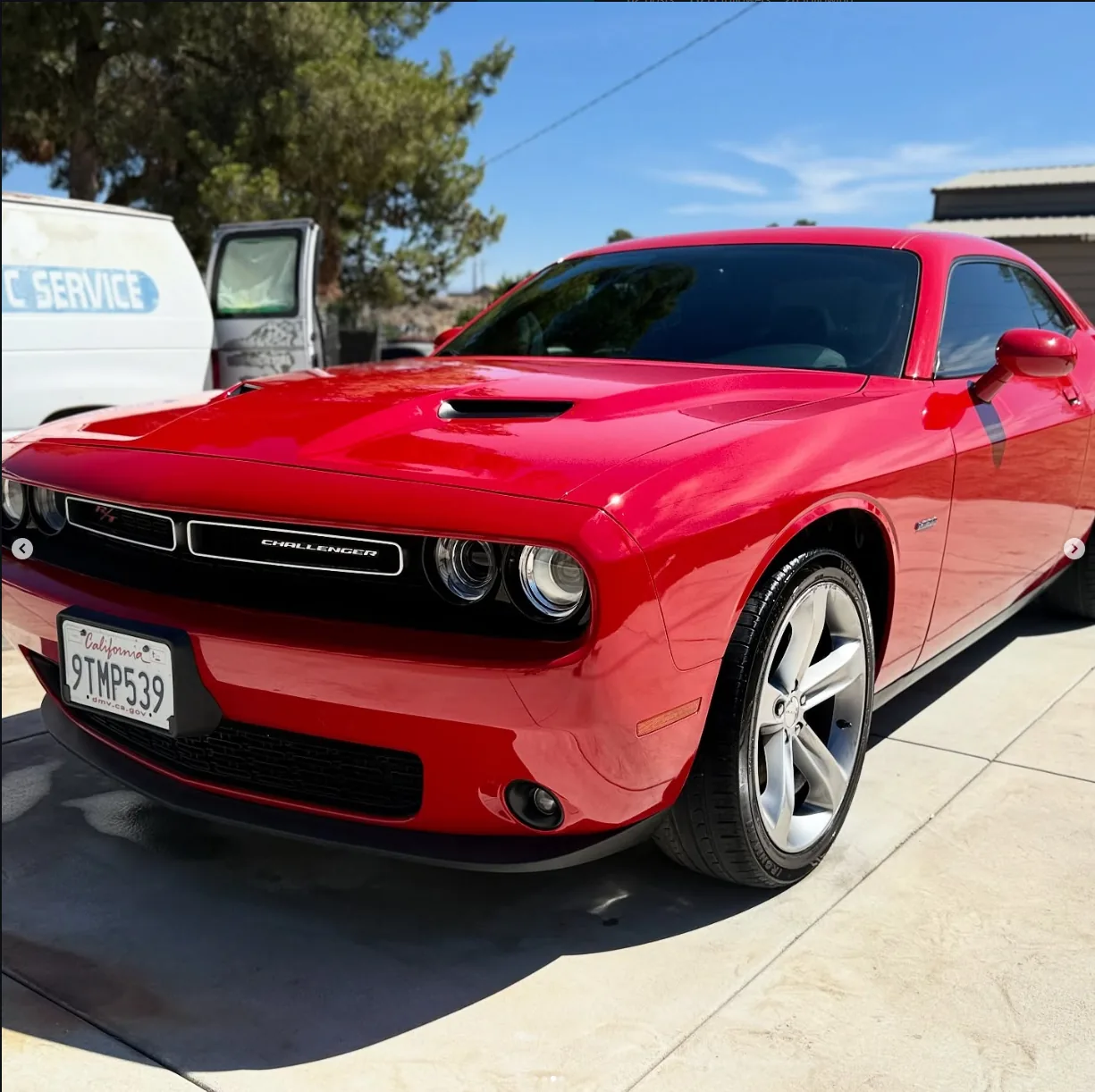
Park in a garage or shade when practical, wash and dry out of direct sun, remove bird droppings and other contamination promptly, and use a compatible wax, sealant, or coating according to its instructions while the clear coat is intact. Cloudy or lightly oxidized paint may be correctable after assessment. Peeling or missing clear coat cannot be restored by waxing over it and usually requires refinishing.
Why Sun Exposure and Finish Condition Matter
Automotive finishes are exposed to ultraviolet light, heat cycles, dust, washing, bird droppings, tree material, road contamination, and mineral deposits. The effect varies with the vehicle's paint system, color, age, storage, prior repairs, and maintenance history.
Horizontal panels such as the hood, roof, and trunk often receive more direct sun and may show changes before vertical panels. That does not mean every cloudy or dull area has the same cause, so start with inspection rather than a one-product cure.
How Clear-Coat Failure Can Look
Modern car paint is layered: primer, color (base coat), and a clear protective top layer called the clear coat. That clear coat is the only thing standing between UV rays and your actual paint color. It's also the layer that dies first.
When clear coat fails, you'll see:
- Cloudy, milky, or hazy patches — usually starting on the hood, roof, and trunk lid (the flat, sun-facing surfaces)
- Peeling or flaking that looks like the paint is "lifting" in sheets
- Rough, chalky texture where it used to be glassy and smooth
Once clear coat is peeling or missing, wax cannot replace it and aggressive polishing may remove more remaining material. The lasting repair usually requires removing failed material and refinishing the affected area according to the repair plan. An in-person assessment is needed to determine how far the failure extends.
Oxidation and Fading
Oxidation and fading can change gloss or color before the finish visibly peels. The pattern varies by paint system and exposure, and it can be confused with contamination, hard-water deposits, previous refinishing, or surface defects.
- Red fading to a chalky pink or orange
- Black going gray and dull, especially on plastic trim and bumpers
- The "two-tone" look where the roof and hood are noticeably lighter than the doors
Some surface-level defects may respond to cleaning, decontamination, or paint correction when enough healthy clear coat remains. Others require refinishing. Because correction removes material, the finish should be evaluated before choosing an abrasive process.
Water Spots, Etching, and Sprinkler Damage
When water evaporates, dissolved minerals can remain on the finish. Some deposits wash away; others can bond to or etch the clear coat. The result depends on water chemistry, time, heat, and finish condition.
Two practical habits:
- Wash and dry in shade when practical. Use clean materials and a method compatible with the finish; do not let mineral-rich water dry repeatedly on a hot panel.
- Reduce repeated sprinkler exposure. If the vehicle is regularly hit, change the parking position or sprinkler direction when possible and remove fresh deposits promptly.
It's Not Just Paint: Trim, Headlights, and Plastic
The same sun that fades your paint also attacks everything else on the exterior:
- Headlight lenses can yellow, haze, crack, or lose their protective surface. Use a qualified provider for stand-alone restoration, replacement, and any required calibration.
- Black plastic trim and mirror caps go gray and chalky.
- Dashboards and steering wheels crack from the inside heat — use a windshield sunshade, it genuinely works.
Drive Auto Body focuses on collision bodywork and paint. Call first to confirm whether a stand-alone trim or headlight concern fits the shop's current services.
How to Actually Protect Your Paint
No routine can prevent every form of aging or damage, but careful storage and maintenance can reduce exposure and help you notice problems earlier. Pair this with our summer body and paint checklist:
- Park in shade or a garage when practical. Reducing direct exposure helps preserve exterior and interior materials over time.
- Wash regularly — correctly. Dust and bird droppings are mildly acidic and bake into the finish in this heat. Rinse them off fast. Wash in shade, dry by hand.
- Use a compatible protective product. Wax, sealant, and coating products differ in preparation, durability, claims, and maintenance. Follow the product and finish manufacturer's instructions rather than a universal calendar.
- Use a sunshade and consider window tint (legal limits apply) to cut interior heat and protect the dash.
- Inspect chips and scratches. When metal or another substrate is exposed, ask which compatible touch-up or repair approach applies before corrosion or lifting spreads.
When It's Already Too Late: What a Body Shop Can Do
If the damage is already done, here's the honest ladder of fixes, cheapest to most involved:
- Cleaning, decontamination, or paint correction — may address some surface defects when the remaining finish supports the process.
- Localized or panel refinishing — may apply when clear-coat failure, deeper damage, or a previous repair cannot be corrected at the surface.
- Multi-panel refinishing — may be considered when failure extends across several panels; the color and blend plan depends on the vehicle's current finish.
The most important step is identifying what the finish actually needs. Some damaged-looking paint may be correctable, while other failures require refinishing. A preliminary visual review can identify the next step; diagnostics or detailed repair planning, if needed, are explained before authorization.
Get the Finish Identified Before Choosing a Product or Repair
Bring the vehicle by for a preliminary visual review and tell us what changed, when you first noticed it, where the vehicle is usually parked, and whether the panel was previously repaired. We can discuss whether the concern appears to fit paint correction, refinishing, or another provider's scope, but detailed planning may require further inspection.
Call (951) 268-3006 or learn more about our auto paint and refinishing work. We're in Riverside, serving drivers across the Inland Empire.
Faded or Peeling Paint? Get an Honest Look.
Preliminary visual estimates are free. If diagnostics, disassembly, or detailed repair planning are needed, any related charge is explained before authorization.
Schedule Your Free Estimate arrow_forward Start an Insurance Claim arrow_forward