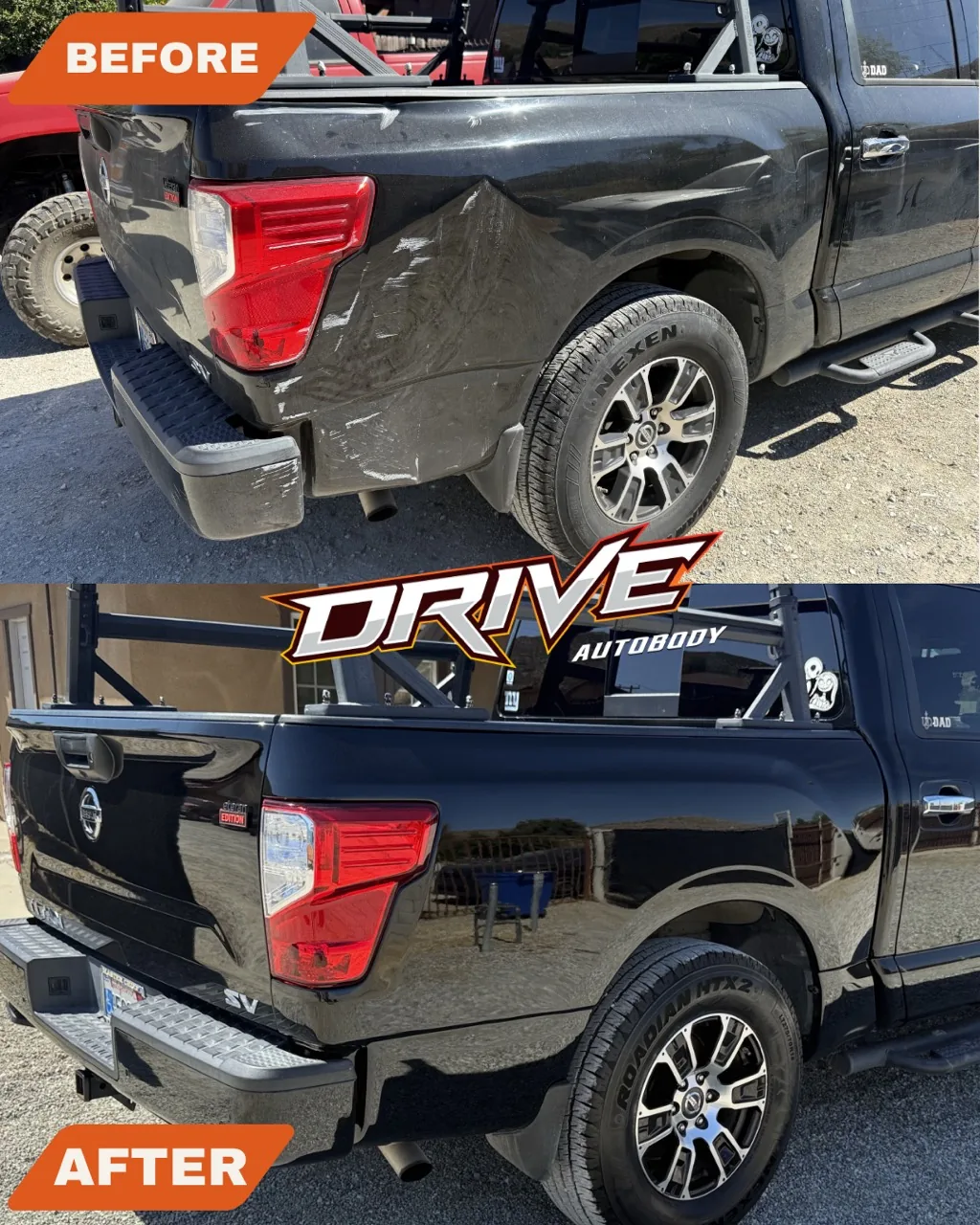
OEM means the part comes through the vehicle manufacturer's channel. Aftermarket means a third party made it; recycled generally means an original part from another vehicle. No label makes every part automatically right or wrong. Ask the shop to identify each proposed part, why it fits the repair plan, what the insurer approved, what you would pay, and which written warranty applies.
What Are OEM Parts?
OEM stands for Original Equipment Manufacturer. These are parts made by the same company that manufactured the original parts on your vehicle. If you drive a Toyota, an OEM fender is made by Toyota (or their contracted supplier) to the exact same specifications as the one that came on your car from the factory.
OEM parts are supplied by the vehicle manufacturer or its authorized distribution channel and are designed for the applicable vehicle. Fit, finish, warranty, availability, repair procedures, and insurer approval still depend on the specific part and repair plan.
What Are Aftermarket Parts?
Aftermarket parts are made by a company other than the vehicle manufacturer. Quality, fit, coatings, included brackets, availability, certification, and warranty can differ by supplier and part number. That variation is why the estimate should identify the proposed part rather than treating “aftermarket” as one uniform category.
Questions worth checking on any replacement panel or assembly include:
- Fit and included hardware -- Does the part include the needed brackets, clips, reinforcements, and sensor mounts?
- Material and repair information -- Is the proposed part compatible with the documented repair procedure?
- Coating and refinishing -- What preparation does the supplied coating require before paint?
- Warranty and availability -- Who backs the part, and will a different option change the repair schedule?
Why an Estimate May List a Non-OEM Part
Cost and availability are common reasons an estimate may list non-OEM or recycled parts. The actual difference varies by vehicle, supplier, part, and market conditions, so the repair plan should identify each part instead of relying on a generic percentage. (See our Inland Empire cost guide for how parts choices affect the total.)
Coverage for OEM, non-OEM, or recycled parts depends on the policy, the claim, applicable California rules, and the carrier's decision. Ask for the proposed part source and any customer price difference in writing before authorizing the repair.
Your Rights Regarding Parts in California
California rules require clarity when an insurer specifies non-OEM crash replacement parts. The current Department of Insurance rule says the estimate must clearly identify those parts, and the insurer must warrant that they are at least equal to the original equipment manufacturer parts in kind, quality, safety, fit, and performance. Read the California Department of Insurance explanation and ask how it applies to your estimate.
- Ask the estimator to identify each proposed part as OEM, non-OEM, recycled, or another source used on the estimate.
- Ask whether the carrier, part supplier, vehicle manufacturer, or shop provides a written warranty and what it covers.
- You may request a different part option, but coverage and any customer price difference depend on the policy and claim. You also retain the right to choose your repair shop.
- If a warranty concern matters to you, ask the vehicle manufacturer or warranty administrator how a specific part or repair would be evaluated.
When to Ask a Closer Question
The repair procedure and part function matter more than a blanket rule. Ask the shop to show how the proposed part fits the documented plan when the repair involves:
- Structural locations -- rails, pillars, reinforcements, or another load-bearing area.
- Restraint or crash-management systems -- components tied to occupant protection or impact-energy management.
- Sensor or camera mounting -- locations where position and the applicable repair procedure matter.
- Visible exterior panels -- areas where fit, gaps, contour, corrosion protection, and refinishing affect the result.
Look Past the Part Price
A lower listed part price does not prove that the total repair will cost less or produce the same result. Fit adjustments, missing hardware, preparation, refinishing, availability, calibration needs, and warranty terms can affect the repair plan.
A lower part price does not by itself establish the total repair value. Fit, availability, required procedures, refinishing, labor, warranty terms, and the authorized repair plan all matter.
How to Request OEM Parts
- Review your policy -- Some policies include OEM part coverage, especially for newer vehicles. Check your declarations page or call your agent.
- Ask your shop -- A good body shop will advocate for OEM parts when they matter and explain where aftermarket is acceptable.
- Put it in writing -- Request OEM parts in writing to your insurance company. If they refuse, ask them to document why and specify which "equivalent" parts they are substituting.
- Consider the difference -- If your insurer will not cover OEM, ask what the price difference would be. For critical components, the out-of-pocket cost may be worth it.
What We Do at Drive Auto Body
At Drive Auto Body, the estimate identifies the proposed parts and we explain the options that apply before an authorized collision repair begins. Part selection depends on the vehicle, repair procedure, availability, insurer authorization, and customer authorization. (Comparing shops? Here is how to choose the right one.)
If you have questions about what parts are being used in your repair -- or if an insurance estimate specifies aftermarket parts -- call us. We can start with a free preliminary visual review and explain when a complete repair opinion would require an in-person inspection, parts research, diagnostics, or authorized disassembly.
Need Collision Repair?
You open the claim. After that we handle the repair side: the write-up, the adjuster, supplements, and direct billing once the work is authorized.
Get Your Free Estimate arrow_forward Start an Insurance Claim arrow_forward