Start by checking the shop in the California Bureau of Automotive Repair license lookup. Then compare the written estimate line by line: repair operations, proposed parts, paint and materials, possible calibrations or measurements, customer charges, communication, and written warranty terms. A polished lobby or a low first number cannot replace a clear repair plan.
Why Your Choice of Shop Matters
Collision estimates and repair plans are not all written from the same information. One shop may be looking only at visible exterior damage while another identifies likely access, measuring, calibration, parts, or refinishing needs. Your job is not to become a technician; it is to choose a licensed shop that will explain the plan, document changes, and obtain authorization before added work.
Know Your Rights First
California generally protects your right to choose the repair shop. Insurance Code section 758.5 prevents an insurer from requiring a specific shop, although a carrier may recommend one under the conditions in the law. Coverage, payment, deductible, reasonable repair cost, and any dispute remain subject to the policy, law, and claim decision.
Shop choice does not mean the shop or insurer acts alone. The shop develops and documents the proposed repair, the carrier reviews coverage and payment when a claim is involved, and you authorize the work and any disclosed customer-responsible amount. Our plain-English guide to your right to choose a body shop in California goes deeper. The Inland Empire collision repair cost guide explains why vehicle-specific estimates can differ.
What to Look For
Certifications and Training
Ask what training or certification is relevant to your vehicle and verify any badge with the issuing organization. A credential can be useful evidence, but it does not replace a clear vehicle-specific repair plan, current repair information, customer authorization, and documented quality control.
Equipment
Ask what tools or outside services the specific repair is expected to require and how the shop verifies the result. Depending on the vehicle and damage, that conversation may include:
- Measuring -- how repair-relevant dimensions are checked when the damage requires it.
- Refinishing -- how the paint environment, preparation, formula, application, and final checks are handled.
- Joining methods -- how the shop follows the applicable repair information for the material and location.
- Diagnostics and calibration -- whether the shop performs the work or coordinates a qualified provider, and how completion is documented.
Warranty
Ask each shop for its written warranty terms and compare what work, materials, customer, vehicle, duration, and exclusions are covered. Do not rely on a verbal promise or assume every repair has the same warranty.
Insurance Experience
For an insurance repair, ask who opens the claim, who communicates with the adjuster after authorization, how added damage is documented, how supplements are explained, and when you will be told about a deductible or proposed non-covered charge. The carrier still decides coverage and payment.
Questions to Ask
- "Will you use OEM or aftermarket parts?" -- A good shop will discuss parts options transparently and advocate for OEM when it matters.
- "Do you follow manufacturer repair procedures?" -- The answer should be an unequivocal yes. Manufacturer procedures exist for safety reasons.
- "Can I see the customer-accessible part of the facility?" -- Safety and active work may limit access, but the shop should be willing to explain its process and show what is appropriate.
- "How do you handle supplements?" -- Hidden damage is normal. A good shop documents it thoroughly and works with your insurer to get it covered.
- "Do you provide a written warranty?" -- Get the warranty terms in writing before authorizing repairs.
- "Who handles rental questions?" -- Rental coverage and limits come from the policy and carrier; ask what coordination the shop can provide after you confirm coverage.
- "Who handles the insurance company -- me or you?" -- The customer normally opens the initial claim. Ask whether the shop will then submit repair documentation, communicate with the adjuster, and manage repair supplements after authorization.
- "What is known about the timeline, and what could change it?" -- Ask which dates are estimates, whether parts or approval are pending, and how the shop communicates a changed completion window.
- "What does the paint plan include?" -- Ask about the formula starting point, finish condition, test samples or tinting when needed, blend area, and how the final appearance is checked.
Red Flags to Avoid
- An unexplained low estimate -- A lower number may reflect different visible damage, parts, labor operations, or assumptions. Ask what is included and what is still unknown.
- Pressure to commit immediately -- Ask for the estimate and authorization terms in writing and take the time needed to understand them.
- No written estimate -- Every shop should provide a detailed written estimate that itemizes parts, labor, and procedures.
- Resistance to questions -- If asking questions about their process, parts, or warranty makes them defensive, find another shop.
- License information you cannot verify -- Use the California BAR lookup and make sure the business name and location match.
- Vague or verbal-only warranties -- If a shop will not put its warranty terms in writing, treat that as a no.
- Won't itemize the estimate -- A lump-sum number with no breakdown of parts, labor, and procedures makes it impossible to compare shops or catch missing damage.
Get It in Writing -- and Compare Estimates the Right Way
Once you have two or three estimates, do not compare only the total. A lower preliminary number may describe less visible damage, a different part source, fewer listed operations, or different assumptions. Some repair information becomes available only after authorized disassembly. When the plan changes, the shop should document the revision and obtain any required customer authorization; an insurer separately reviews a supplement when a claim is involved.
Ask each shop to itemize parts and labor, and to specify whether they are quoting OEM, aftermarket, or recycled parts -- the difference matters, and we explain it in OEM vs aftermarket parts. If your car took a hard hit, make sure any structural work is on the estimate; the warning signs your car needs frame repair are easy to miss on a walk-around. Getting all of this in writing before you authorize work is your best protection against surprises later.
The Drive Auto Body Difference
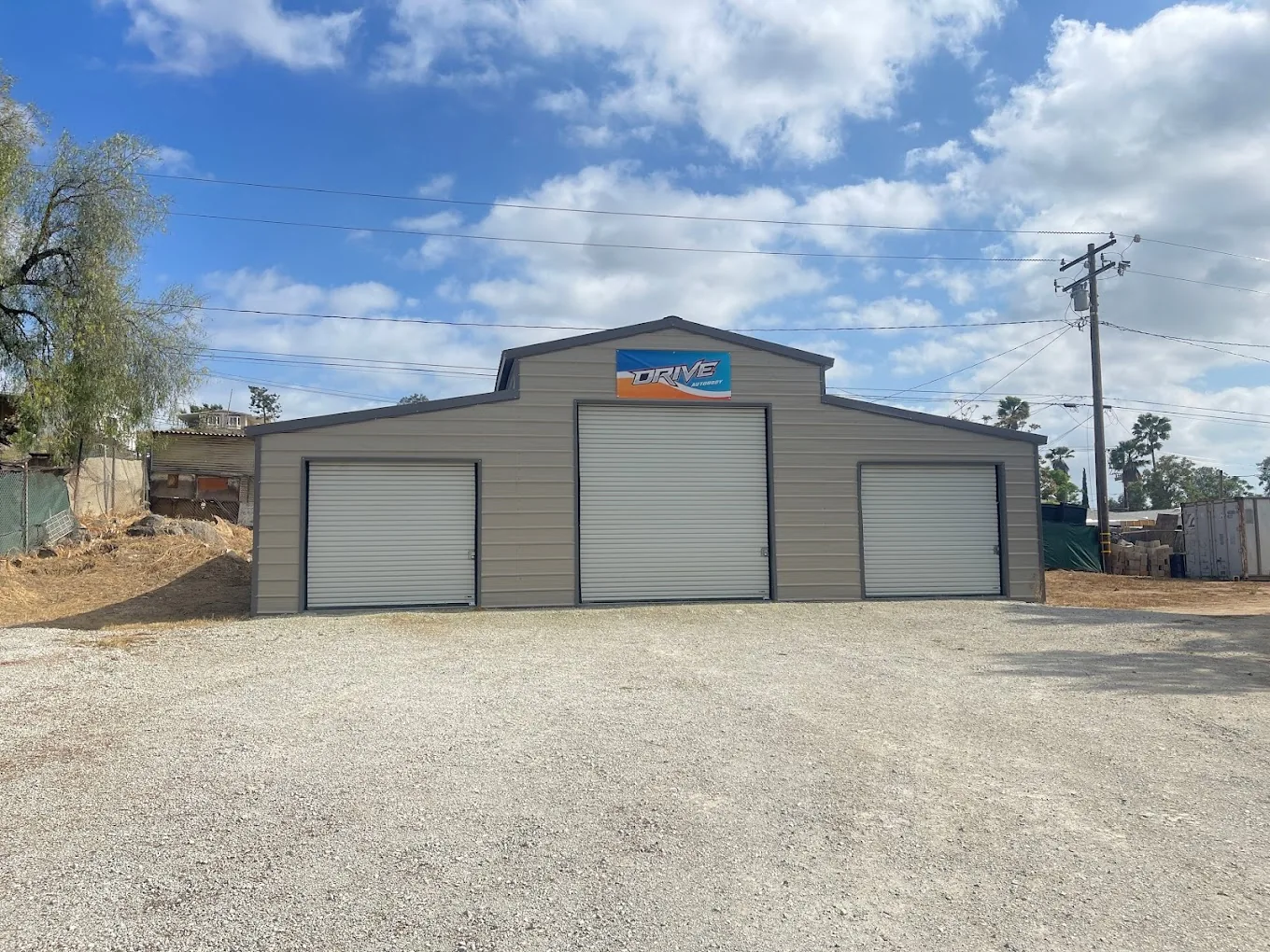
At Drive Auto Body, we welcome questions about the repair plan. We are a family-owned shop in Hemet. After the customer opens the claim, we help with repair documentation, adjuster communication, and supplements for the authorized collision repair. Part selection and procedures depend on the vehicle, repair information, availability, insurer authorization, and customer authorization. Qualifying workmanship is subject to written warranty terms.
If you are comparing shops after an accident, visit us at 33975 State Highway 74 in Hemet. See the facility, meet the team, and start with a free preliminary visual estimate. If detailed repair planning requires teardown, diagnostics, or measurements, any related charge is explained and authorized first.
Start Your Insurance Repair — Send Photos Now
Send your vehicle details, claim status, and a few photos of the damage. We'll review the next step and prepare your written estimate.
Need Collision Repair?
You open the claim. After that we handle the repair side: the write-up, the adjuster, supplements, and direct billing once the work is authorized.
Get Your Free Estimate arrow_forward