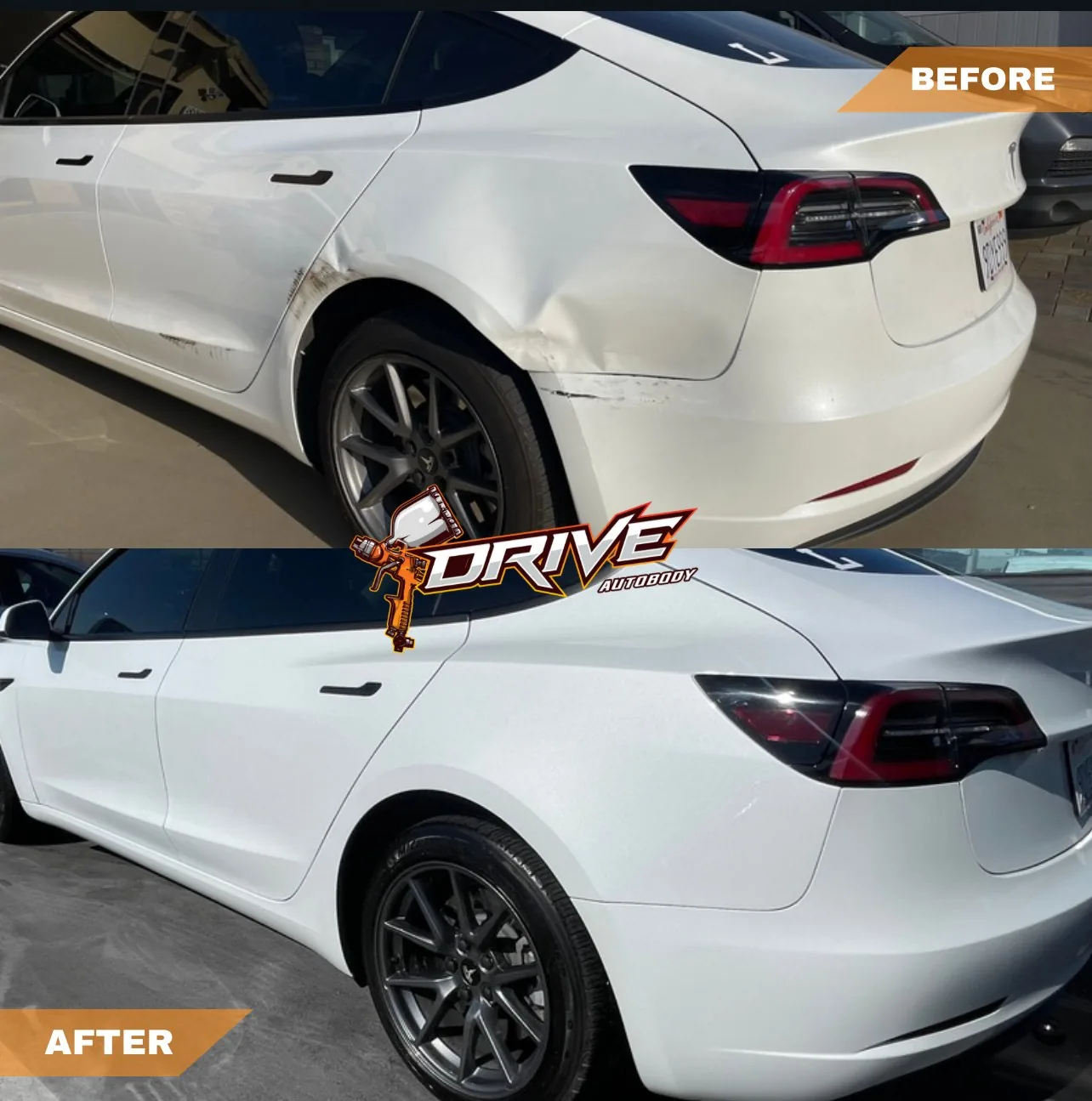
New pulling, uneven panel gaps, a door or hood that no longer closes normally, unusual tire wear, new vibration, or visible creasing after a collision can justify a professional inspection. Those symptoms can also have non-structural causes. A visual check, applicable vehicle repair information, measurements, diagnostics, and authorized disassembly—not a symptom list—determine the repair plan.
What Is "Frame Damage"?
Most modern cars do not have a traditional body-on-frame construction. Instead, they use a unibody design where the body panels, floor pan, and structural reinforcements are all welded together into a single integrated structure. When people say "frame damage," they are usually referring to damage to this structural skeleton -- the rails, pillars, aprons, and reinforcements that give the car its shape and crash protection.
Structural damage can range from a localized affected mounting area to damage involving rails, pillars, or other load-bearing components. Repairability depends on the vehicle, damage location, measurements, applicable repair procedures, parts, and repair economics. The insurer makes any total-loss decision under the policy and applicable rules.
Warning Signs of Frame Damage
The following changes can justify inspection after a collision. None of them proves structural damage on its own:
- The car pulls to one side -- Alignment, tire, wheel, suspension, or collision-related dimensional changes can all contribute.
- Uneven tire wear -- Record when it started and have the tire, alignment, suspension, and collision history evaluated.
- Doors, hood, or trunk close differently -- A changed latch feel or gap may come from hinges, latches, panels, mounts, or the surrounding structure.
- Panel gaps changed after the impact -- Compare both sides and photograph the change, but do not treat a gap alone as a diagnosis.
- New noises -- Creaking, popping, rubbing, or grinding deserves inspection, especially when it began immediately after the collision.
- New vibration -- Tire, wheel, suspension, drivetrain, loose body parts, and dimensional changes are all possible causes.
- Visible creasing or torn attachment points -- Do not crawl under an unstable vehicle. Photograph safely and let a qualified facility inspect the area.
Why Frame Damage Is Dangerous
Vehicle structures and crash-management components are designed as a system. When a collision affects a structural location, the repair plan should use the applicable vehicle repair information and documented measurements rather than appearance alone.
If the vehicle pulls, rubs, leaks, has a warning light, or feels unstable after an impact, limit driving and arrange an appropriate inspection. Immediate safety and drivability concerns belong ahead of a cosmetic assessment.
Types of Frame Repair
The repair method depends on the type and severity of damage:
- Frame straightening -- Using a frame machine (also called a frame rack or bench system), technicians apply controlled hydraulic force to pull bent structural components back to their original dimensions. Measurements are compared against the manufacturer's specifications to within millimeter tolerances.
- Section replacement -- When a section of the unibody is too damaged to straighten, the damaged section is cut out and a new OEM section is welded in its place. This requires precise cutting, fitting, and welding following the manufacturer's repair procedures.
- Full rail replacement -- In severe cases, entire frame rails may need to be replaced. This is one of the most extensive structural repairs possible and requires specialized equipment and training.
How a Structural Repair Plan Is Built
The exact sequence depends on the vehicle and damage. A documented plan may include:
- Initial inspection -- Record visible damage, symptoms, warning lights, and the areas affected by the impact.
- Authorized access -- Remove damaged exterior parts or perform diagnostics only after the customer authorizes the relevant work.
- Measurements and repair information -- Compare repair-relevant points and procedures when the damage requires it.
- Repair-versus-replace decisions -- Determine the documented approach for each affected component.
- Repair and verification -- Complete the authorized operations and verify the repair-relevant results.
- Records and final explanation -- Reconcile the work order, supplement, invoice, and customer-facing documentation.
When Is Frame Damage Too Severe to Repair?
Not all structural damage is repairable. Repairability depends on the vehicle, damage location, applicable repair procedures, parts, measurements, and repair economics. The insurance carrier determines whether the vehicle is a total loss under the policy and applicable rules. See our Inland Empire cost guide for the factors that change an estimate, and how insurance claims work when a total loss is being reviewed.
Get a Proper Inspection
If you have been in an accident and notice any of the warning signs above, do not ignore them -- our step-by-step guide to what to do after a car accident covers the rest. Even a "minor" collision can cause structural damage that is not visible from the outside. At our Hemet shop, we begin with a preliminary visual review and determine whether structural measurements, diagnostics, or disassembly are needed. Any related charge is explained before authorization, and we show you the repair-relevant findings we document.
Start Your Insurance Repair — Send Photos Now
Send your vehicle details, claim status, and a few photos of the damage. We'll review the next step and prepare your written estimate.
Need Collision Repair?
You open the claim. After that we handle the repair side: the write-up, the adjuster, supplements, and direct billing once the work is authorized.
Get Your Free Estimate arrow_forward