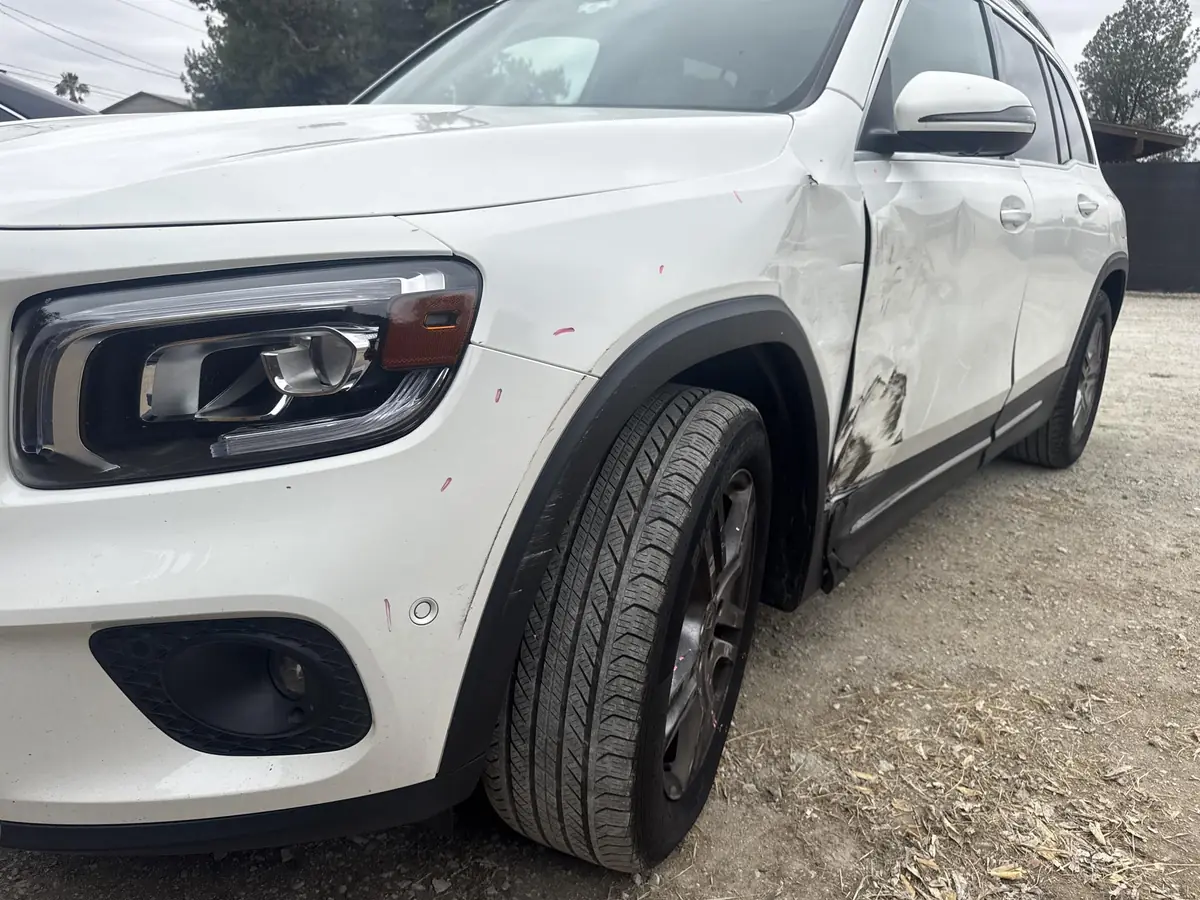
The California Driver Handbook warns that pavement can be very slippery when it starts to rain, especially after a dry, hot stretch, because oil and dust have not been washed away. Slow down (the handbook suggests 5 to 10 mph slower on wet roads), leave more space, and use your low-beam headlights. California law requires headlights when weather makes you run your wipers continuously. If you slide into a curb or another car, check for damage before assuming everything is fine.
Why the First Rain Is So Slick
Over a long, mostly dry summer, oil, grease, rubber, and dust build up on the pavement. When the first rain arrives, water lifts that residue into a slick film before steadier rain has a chance to wash it away. The handbook calls this out directly: when it starts to rain, the pavement can be very slippery, especially if it has been dry and hot for some time.
Spots where traffic stops and idles, such as intersections and freeway ramps, can collect more residue. Painted lane markings, metal plates, and drain covers can also lose grip when wet.
Wet Roads Mean Longer Stops
Wet pavement gives your tires less grip, so it takes longer to stop and less to start a slide. Worn tires make that worse. The handbook says to reduce your speed by 5 to 10 mph on a wet road and leave more space between you and the vehicle ahead. It also covers two situations worth knowing:
- Hydroplaning: tires ride on a layer of water and lose contact with the road. Slow down gradually and do not use the brakes.
- Skids: slowly ease off the accelerator, do not use the brakes, and turn the steering wheel in the direction of the skid.
Before the first storm
- Wiper blades clear the glass without streaking or chattering.
- Headlights, brake lights, and turn signals all work.
- Tires have adequate tread and the recommended pressure.
- Windows are clean inside and out.
Drive Auto Body focuses on collision bodywork and paint, so use the appropriate provider for tires, wipers, brakes, and other mechanical items.
Common Low-Speed Crashes in the First Rain
- Rear-end bumps in stop-and-go traffic on CA-91, SR-60, I-215, and I-15.
- Late braking at intersections on busy surface streets like Magnolia Ave.
- Sliding into a curb while turning, which can damage a wheel, tire, or lower bumper.
- Slipping on a sloped driveway or parking lot and tapping a post, wall, or another car.
These usually happen at low speed, which makes the damage easy to underestimate.
What to Check After a Minor Slide or Bump
Once you are parked somewhere safe with the engine off, walk around the car:
- Bumper covers: cracks, a corner pushed in or pulled away from the fender, or uneven gaps.
- Lower edges: a front lip, splash shield, or wheel-well liner that hangs or rubs.
- Wheels and tires: a scraped or bent wheel edge, a sidewall bulge, or low pressure. These need a tire or wheel professional.
- Lights: cracked or loose housings, or moisture inside.
- Sensors and cameras: new warning messages, or parking sensors or a backup camera acting differently.
- Doors, hood, and trunk: each should open, close, and latch normally.
- Underneath: look for fresh fluid on the ground, but don't crawl under the car.
Photograph anything you find with a wide shot and a close-up. If the car pulls, vibrates, rubs, leaks, or shows a warning light, limit driving and arrange an inspection.
If Another Car Was Involved
If no one is hurt and the cars can be driven safely, move out of traffic, turn on your hazards, photograph the scene, and exchange driver, vehicle, and insurance information. Call 911 for injuries or hazards. California DMV requires an SR-1 report within 10 days when anyone is injured or killed, or property damage is over $1,000. Our after-an-accident checklist covers the rest.
Getting It Repaired
Ask your insurer how your policy applies before deciding whether to file a claim. If you do file, California Insurance Code section 758.5 generally prevents an insurer from requiring a specific shop; our right-to-choose guide explains more. Either way, have low-speed damage inspected, because a bumper cover can hide damaged brackets, absorbers, or sensors. Learn more about our collision repair work in Riverside.
Official California Sources
- California DMV Driver Handbook: Safe driving
- California Vehicle Code section 24400 (headlamps)
- California DMV: Accident reporting and the SR-1
Request a Preliminary Visual Estimate
If the first rain left your car with a bump or scrape, call (951) 268-3006, send photos from your phone through our free online estimate, or use the form below. A preliminary visual estimate is free, and we will explain what can be judged from photos and what needs an in-person look.
About this guide. Drive Auto Body is a family-owned, independent collision repair and paint shop in Riverside, California, serving nearby Inland Empire communities. This article is general consumer information, not a repair diagnosis, coverage decision, legal opinion, or guarantee of price or timing. Vehicle needs, repair requirements, parts availability, and insurer decisions vary. Last reviewed October 1, 2026.