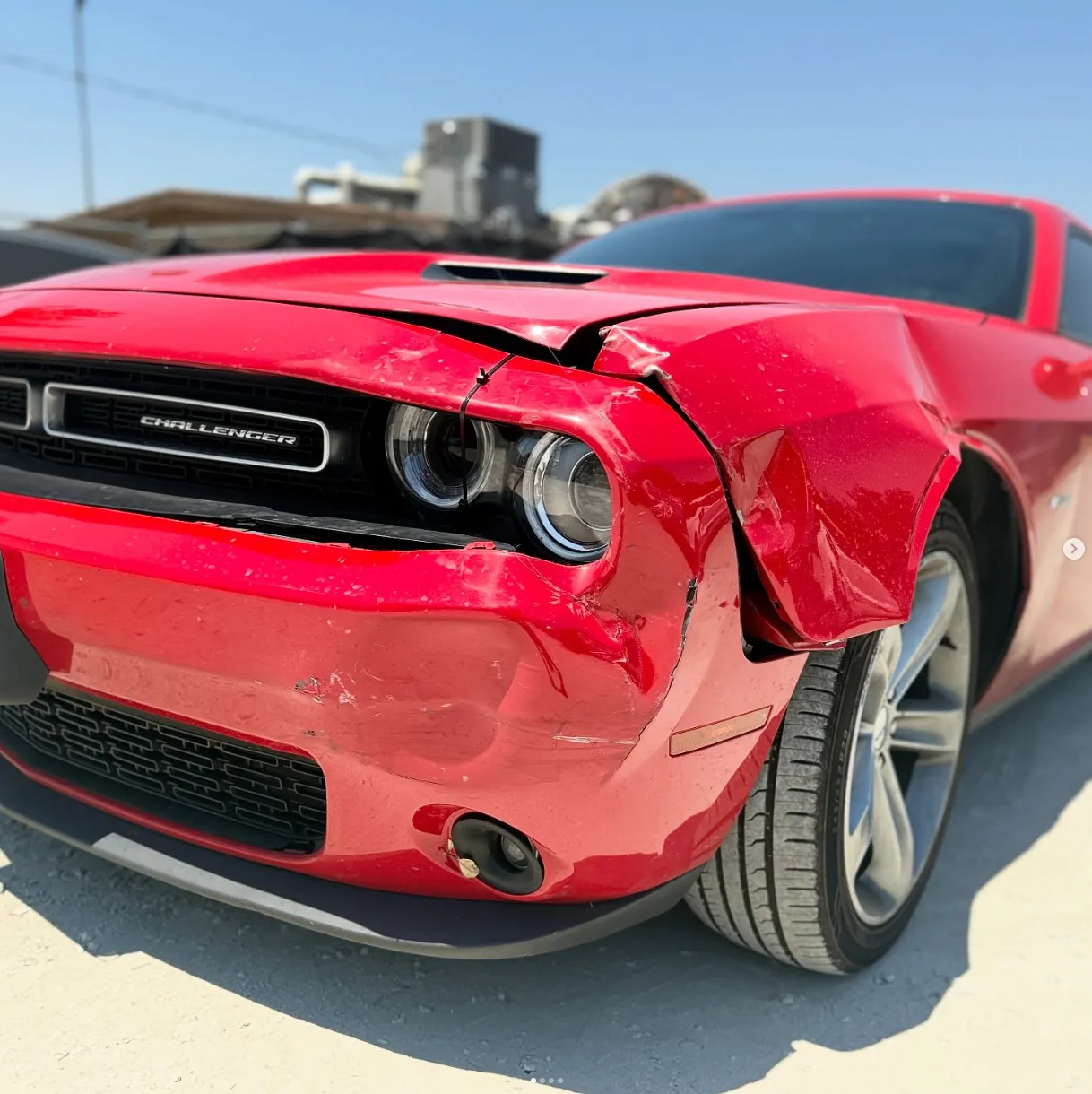
Check for injuries and immediate hazards first. Call 911 for an emergency, move out of traffic when it is safe, exchange information, photograph the scene, and report the loss to your insurer. California DMV says an SR-1 is due within 10 days when someone is injured or killed, or property damage exceeds $1,000; that filing is separate from a police or insurance report. Check the current DMV instructions.
Stay Calm and Check for Injuries
The first few seconds after a car accident in Hemet -- or anywhere along the 74 corridor and San Jacinto Valley -- can feel overwhelming. Check yourself and your passengers for injuries and immediate hazards. Avoid moving someone who appears seriously injured unless leaving them in place creates an immediate danger.
Call 911 for an injury, fire, blocked traffic, hit-and-run, or another emergency. Seek medical guidance from a qualified professional based on symptoms and follow the instructions of emergency personnel.
Move to Safety and Turn on Hazards
If the vehicles are operable and it is safe to do so, move out of active travel lanes and follow instructions from law enforcement or the responding agency. Pull onto the shoulder or into a nearby safe area and turn on hazard lights to warn approaching drivers.
Set out flares or reflective triangles if you have them. Stay behind guardrails or on the sidewalk. Never stand between vehicles or in an active lane. Your safety is always the priority.
Call the Police
Call 911 for emergencies. For a non-emergency collision, follow the reporting instructions of the local law-enforcement agency and California DMV. A report may help document the event, but reporting requirements depend on the facts.
Give an honest, factual account of what occurred. Avoid guessing about details you did not observe or debating fault at the scene.
Document Everything at the Scene
Your smartphone is the most powerful documentation tool you have. Use it methodically:
- Photograph all vehicles from multiple angles -- wide shots showing the overall scene and close-ups of every dent, scratch, and piece of debris.
- Capture the road conditions, including traffic signals, stop signs, lane markings, skid marks, and weather conditions.
- Take photos of license plates, insurance cards, and driver licenses for all parties involved.
- Note the time, date, and exact location -- cross streets, nearby landmarks, or GPS coordinates.
- Get witness information -- names and phone numbers of anyone who saw the accident.
Clear documentation can help the insurer and repair facility understand the loss. Save the original files and keep the claim number with your notes.
Exchange Information with the Other Driver
California law requires you to exchange the following with all other drivers involved:
- Full legal name and contact information
- Driver's license number and state
- Insurance company name and policy number
- Vehicle make, model, year, and color
- License plate number
Be polite and keep the conversation factual. Avoid making an on-scene payment or repair commitment before the vehicle has been inspected, because exterior damage may not show the full repair need.
Contact Your Insurance Company
Report the accident to your insurance company as soon as possible -- most policies require prompt notification. When you call, have your documentation ready: the police report number, photos, and the other driver's information. Be factual and thorough in your description. (New to claims? Here is how auto insurance claims work, step by step.)
Your insurer may assign a claim number and adjuster. California Insurance Code section 758.5 generally prevents an insurer from requiring a specific repair shop. The insurer may recommend a shop, while coverage, authorization, reasonable repair cost, deductible, and payment remain subject to the policy, applicable law, and claim decision. See our guide to choosing a body shop under California law.
Get a Professional Damage Assessment
Before authorizing any repairs, get a thorough assessment from a qualified collision repair facility. Modern vehicles are engineered with complex crumple zones, sensors, and structural components that can sustain hidden damage even in low-speed collisions. A bumper that looks like it just needs a new cover might be hiding a bent reinforcement bar, damaged sensor, or compromised mounting brackets.
At Drive Auto Body, the inspection and collision repair plan can include measurements when the damage and vehicle require them. Findings relevant to the authorized repair are documented for the customer and insurer. Here are common signs a car may need structural inspection.
Choose a Trusted Local Body Shop
Choosing the right repair shop is one of the most important decisions you will make after an accident — our guide to choosing the right auto body shop goes deeper, but here is what to look for:
- Experience and credentials -- Look for technicians with I-CAR and ASE certifications who stay current with modern repair techniques.
- Insurance-repair experience -- After you open the claim, ask whether the shop handles repair documentation, adjuster communication, and supplements when hidden damage is discovered.
- Warranty -- Reputable shops stand behind their work with written warranties on repairs.
- Local reputation -- Check Google reviews and ask neighbors in Hemet, San Jacinto, and the surrounding Inland Empire communities.
- Transparency -- You should receive clear communication about timelines, costs, and repair methods every step of the way.
Drive Auto Body on Highway 74 in Hemet was built on these principles. With over 20 years of hands-on experience, we help with repair documentation, adjuster communication, supplements, and direct billing after the customer opens the claim and authorizes the repair.
Follow Up on Your Health
Seek medical care based on your symptoms and a qualified professional's advice. Follow the instructions you receive and contact emergency services if symptoms are severe or urgent.
Keep the records and instructions provided by medical professionals and insurers. We are a body shop, so nothing here is medical or legal advice.
The Bottom Line
A car accident is stressful, but a clear checklist can reduce uncertainty. Focus on immediate safety, follow official reporting instructions, document the event, open the insurance claim, and choose a collision repair shop that communicates clearly about the repair plan.
If you have been in an accident in Hemet or the San Jacinto Valley, Drive Auto Body offers free preliminary visual estimates. After you open the claim, we can help with repair-side documentation, adjuster communication, supplements, and direct billing after authorization.
Start Your Insurance Repair — Send Photos Now
Send your vehicle details, claim status, and a few photos of the damage. We'll review the next step and prepare your written estimate.
Been in an Accident?
Start with a free preliminary visual assessment. After you open the claim, we can help with repair-side documentation, supplements, and insurer communication.
Get Your Free Estimate arrow_forward