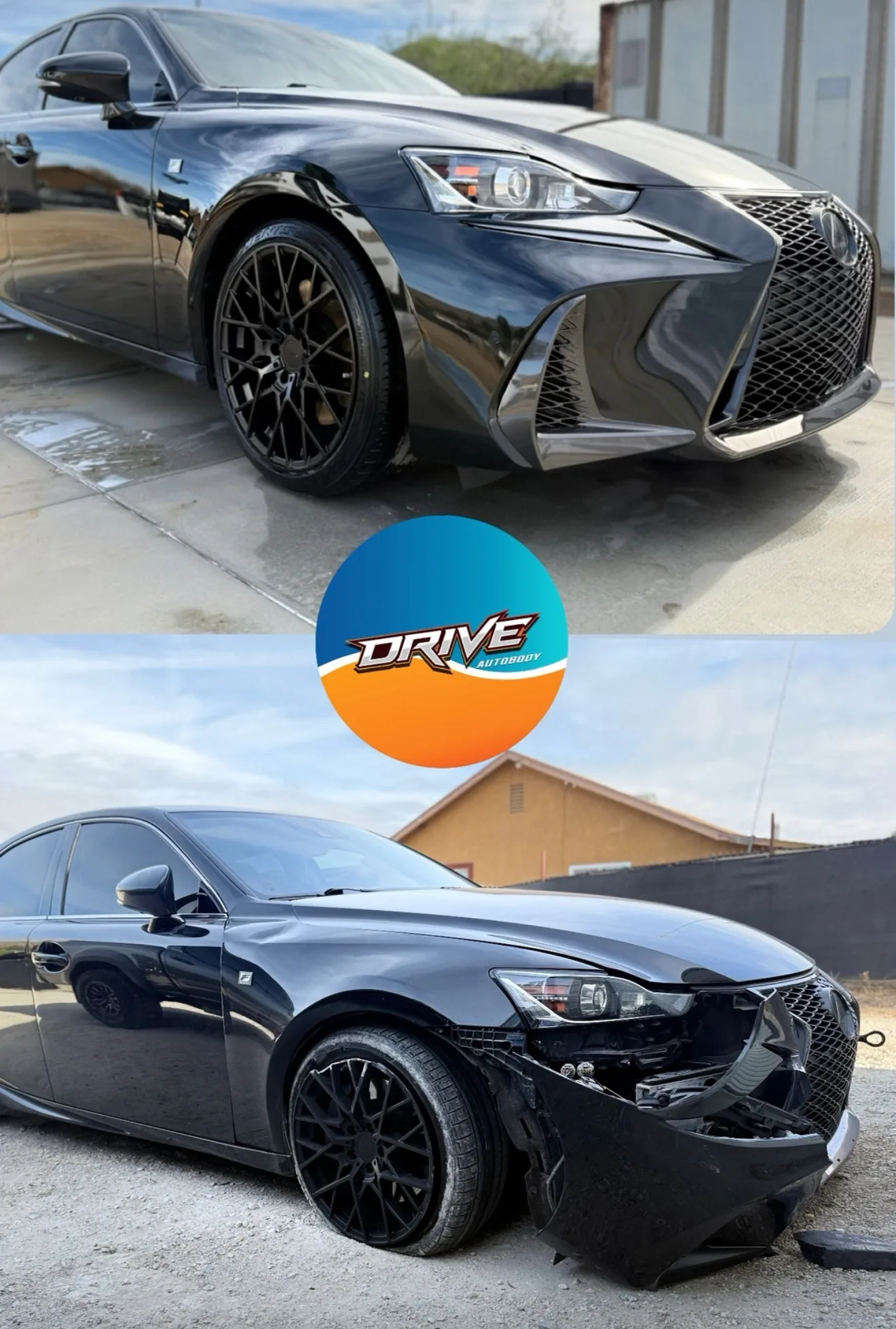
Check for injuries and call 911 if anyone is hurt or the scene is dangerous. If the cars can be driven safely, move out of traffic. Photograph the scene, exchange driver, vehicle, and insurance information, and report the loss to your insurer. California DMV says an SR-1 report is due within 10 days when anyone is injured or killed, or property damage is over $1,000. Then have the car inspected after the holiday, even if the damage looks small.
Why Holiday Weekends Call for a Plan
The Fourth of July weekend usually means heavier traffic on CA-91, SR-60, I-215, and I-15, packed lots at parks, stores, and fireworks shows, and more driving after dark. Many people are also far from home or short on sleep. A simple checklist keeps you from missing a step when a minor collision catches you off guard.
Before you head out: a quick glovebox check
- Current registration and proof of insurance.
- A charged phone and a car charger.
- A flashlight, plus reflective triangles or flares if you have them.
- A pen and paper in case your phone dies.
Step 1: Get Safe First
Check yourself and your passengers. Call 911 for an injury, a fire, blocked lanes, a driver who seems impaired, or a driver who leaves the scene.
If no one is hurt and the vehicles can be driven safely, move out of active lanes to a shoulder, side street, or parking lot and turn on your hazard lights. Never stand between vehicles or in a travel lane. If a vehicle can't leave the lane, follow the instructions of the 911 dispatcher or responding officers.
Step 2: Document the Scene
Your phone does most of the work. When it is safe, capture:
- Wide shots showing both vehicles, their positions, and the surroundings.
- Close-ups of the damage on every vehicle involved.
- License plates and the other driver's license, registration, and insurance card.
- Street signs, cross streets, or the nearest freeway exit.
- Road, weather, and lighting conditions.
Write down the time and exact location, get names and phone numbers from any witnesses, and keep the original photo files. If it happens after dark, use your flash, then take a second set of damage photos in daylight.
Step 3: Exchange Information
California law requires drivers involved in a collision to exchange identifying and insurance information. Get:
- The other driver's name and address, and the registered owner's if different.
- Driver's license number.
- Insurance company and policy number.
- Vehicle year, make, model, and license plate.
Stay polite and stick to facts. Avoid debating fault, and avoid agreeing to an on-the-spot payment or repair deal before the vehicle has been inspected. Damage behind a bumper cover isn't visible from the curb.
Step 4: Police, CHP, and the DMV
Collisions on freeways and in unincorporated areas are generally handled by the California Highway Patrol (CHP). On city streets, the local police agency usually responds. Whether an officer comes out for a minor, non-injury collision varies, so ask how to file a report if no one responds.
The DMV report is separate. An SR-1 is due within 10 days when anyone is injured, no matter how minor, or killed, or when property damage is over $1,000. You or your insurance agent, broker, or legal representative completes it, in addition to any police or insurance report. Damage that looks minor can exceed that amount once a repair is written up, so check the DMV's instructions instead of guessing.
Step 5: Report It to Your Insurer
Report the loss under your policy's terms and keep the claim number with your photos and notes. Ask which coverage applies, what deductible is due, and whether your policy includes rental coverage.
You also choose the repair shop. California Insurance Code section 758.5 generally prevents an insurer from requiring a specific shop, although it may recommend one under conditions in the law. Our right-to-choose guide explains how that works.
Step 6: Get the Car Looked At After the Holiday
Even if the damage looks small, schedule an inspection once the holiday is over. A pushed-in bumper cover can hide damaged brackets, absorbers, or sensors. In the meantime, watch for:
- Lights that don't work or housings that are cracked.
- A hood, trunk, or door that won't latch or closes differently.
- Anything rubbing a tire, dragging, or hanging loose.
- Fluid leaks or new warning lights.
If any of these show up, limit driving and consider a tow. For a short version of these steps to keep in the glovebox, see our after-an-accident checklist.
Official California Sources
Request a Preliminary Visual Estimate
If the holiday weekend left you with damage, call (951) 268-3006 during business hours, Monday through Friday, 8 a.m. to 5 p.m. You can also send photos from your phone through our free online estimate or use the form below. A preliminary visual estimate is free.
About this guide. Drive Auto Body is a family-owned, independent collision repair and paint shop in Riverside, California, serving nearby Inland Empire communities. This article is general consumer information, not a repair diagnosis, coverage decision, legal opinion, or guarantee of price or timing. Vehicle needs, repair requirements, parts availability, and insurer decisions vary. Last reviewed July 1, 2026.