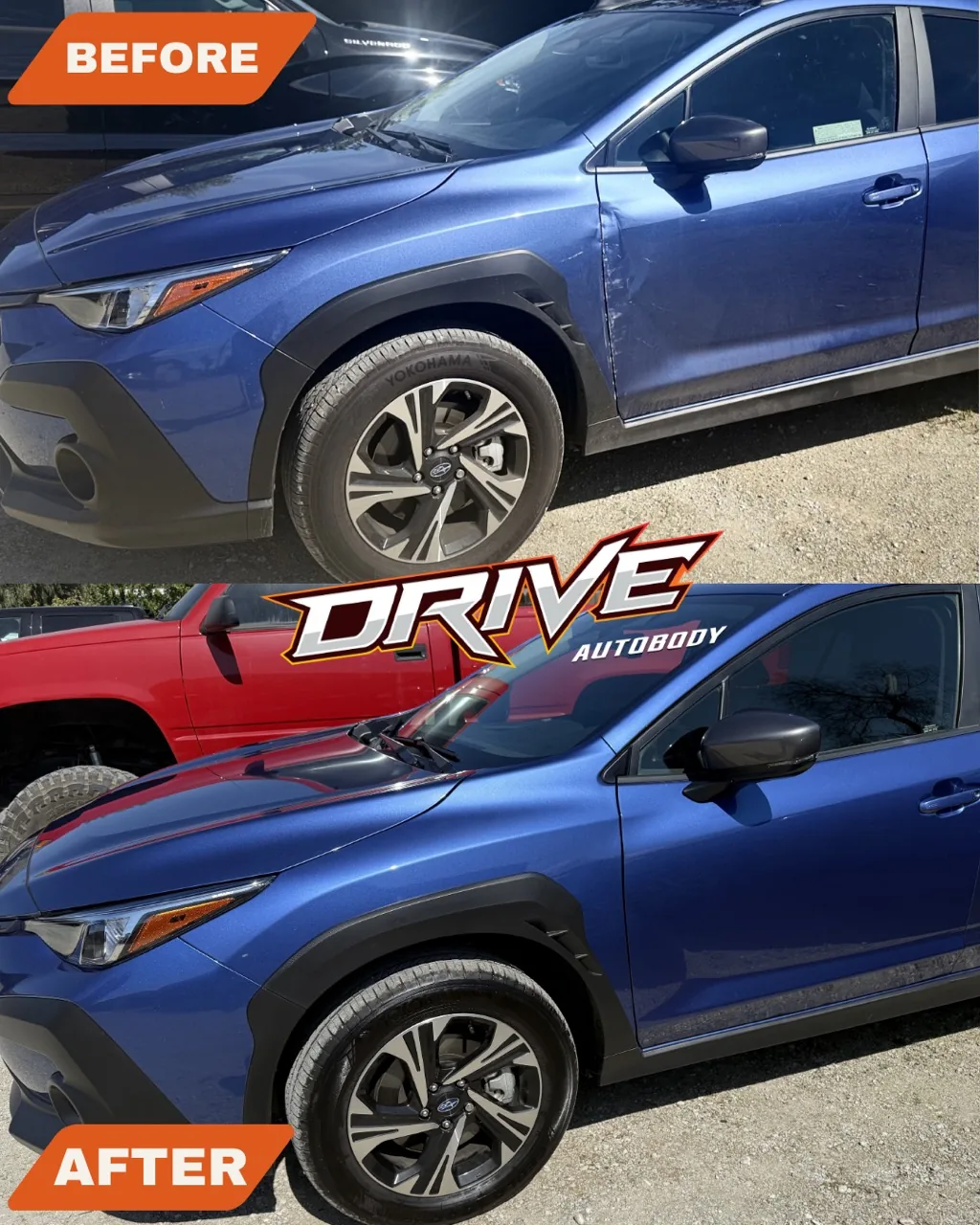
Photograph the damage and the scene before you move your car, keep any note left on it, and ask the property manager or nearby businesses about cameras right away, because footage may not be kept long. If the other driver is there, exchange information. If they left, report it to the police and tell your insurer; whether a hit-and-run is covered depends on your policy. Have low-speed damage inspected, since a scuffed bumper cover can hide damage behind it.
Why Parking Lots Get Tighter in August
School drop-off and pickup lines, back-to-school shopping, and busier store lots put more cars into tight spaces. Drivers back out with limited visibility, doors swing into neighboring cars, and everyone is in a hurry. Most of the damage that results is minor, but what you do in the first hour makes everything after it easier.
Document It Before You Move
Before you drive off or touch anything, capture:
- A wide shot showing your car's position, the space lines, and nearby vehicles.
- Close-ups of every dent, scrape, and crack, plus any paint transferred from another vehicle.
- The lot name and address, and the row, section, or level.
- When you parked and when you found the damage.
- Any cameras on light poles, storefronts, or entrances.
- Names and phone numbers of anyone who saw what happened.
If the Other Driver Is There
Exchange names, addresses, driver's license numbers, insurance companies and policy numbers, and license plates, plus the registered owner's details if different. Stay calm and stick to facts. Low-speed backing collisions often come down to who was moving and when, and fault is sorted out through the claim process, not in the parking lot. Avoid agreeing to a cash deal before the damage has been inspected.
If Someone Left a Note
Photograph the note on your car before you remove it, then keep the original. California Vehicle Code section 20002 requires a driver who damages an unattended vehicle to leave a written note with the name and address of the driver and the vehicle's owner and a statement of what happened, and to notify the police (or the CHP in unincorporated areas) without unnecessary delay.
If the note has only a first name and a phone number, call soon and ask for full contact and insurance details. If the person stops responding, give what you have to your insurer and the police. And if you are the one who bumps a parked car, the same rule applies to you.
If It Was a Hit-and-Run
- Report it. Call 911 if someone is hurt or the scene is unsafe. Otherwise, contact the local police agency's non-emergency line, or the CHP in unincorporated areas, and ask how to file a report. Keep the report number.
- Ask about cameras right away. Some businesses keep footage only for a limited time, and some release it only to police.
- Save your own footage. If your car has a dash camera or a system that records while parked, save the clip before it is overwritten.
- Tell your insurer. Whether a hit-and-run is covered, and which deductible applies, depends on your policy.
How Parking Lot Claims Usually Work
When the other driver is identified, you may be able to file with their insurer or through your own collision coverage. Your insurer can explain the trade-offs, including your deductible and how fault may be decided. Clear photos, the note, witness details, and any footage all help.
If anyone was hurt or the damage is over $1,000, check whether an SR-1 report to the DMV is required; it is due within 10 days. Damage that looks minor can exceed that amount once a repair is written up. If you are unsure whether the rule applies to your situation, check the DMV's instructions.
Whichever insurer handles the claim, California Insurance Code section 758.5 generally prevents it from requiring a specific repair shop. Our right-to-choose guide explains more.
When It's More Than Cosmetic
Some paint transfer sits only on the surface. These signs usually mean the car needs a closer look:
- A bumper cover that is pushed in, cracked, or sitting unevenly.
- Changed gaps between the bumper, fender, and lights.
- Parking sensors, a backup camera, or blind-spot alerts acting differently.
- A door that sticks or closes differently after a door strike.
- Cracked or loose light housings.
- Cracked paint, a dent, or fluid under the car.
Scrapes that break the paint usually call for paint and refinishing work, while bumper, sensor, and panel damage falls under collision repair.
Official California Sources
- California Vehicle Code section 20002
- California DMV: Accident reporting and the SR-1
- California Insurance Code section 758.5
Request a Preliminary Visual Estimate
If your car picked up a ding, scrape, or worse, call (951) 268-3006, send photos from your phone through our free online estimate, or use the form below. A preliminary visual estimate is free, and we will explain what can be judged from photos and what needs an in-person look.
About this guide. Drive Auto Body is a family-owned, independent collision repair and paint shop in Riverside, California, serving nearby Inland Empire communities. This article is general consumer information, not a repair diagnosis, coverage decision, legal opinion, or guarantee of price or timing. Vehicle needs, repair requirements, parts availability, and insurer decisions vary. Last reviewed August 1, 2026.